

6 food pairings that amplify anti-inflammatory benefits (what the research actually shows)
MealMint Team
Dietary Needs
The anti-inflammatory diet is one of the most researched dietary patterns in modern nutrition science. A 2025 umbrella review in Nutrition Reviews confirmed that anti-inflammatory dietary patterns consistently reduce key biomarkers — C-reactive protein (CRP) and interleukin-6 (IL-6) — that drive chronic disease.
But here's what most articles miss: how you combine foods matters as much as which foods you eat. Bioavailability — the proportion of a nutrient that actually reaches your bloodstream — can vary by 2x to 13x depending on what you eat alongside it. These aren't folk remedies. They're well-characterised biochemical interactions.
1. Turmeric + fat (forget the pepper hype)
You've probably heard that black pepper increases curcumin absorption by 2,000%. That claim comes from a single 1998 study by Shoba and colleagues with just 8 participants. A 2025 reappraisal published in iScience (Kroon et al.) could not replicate the finding and raised concerns about the original methodology.
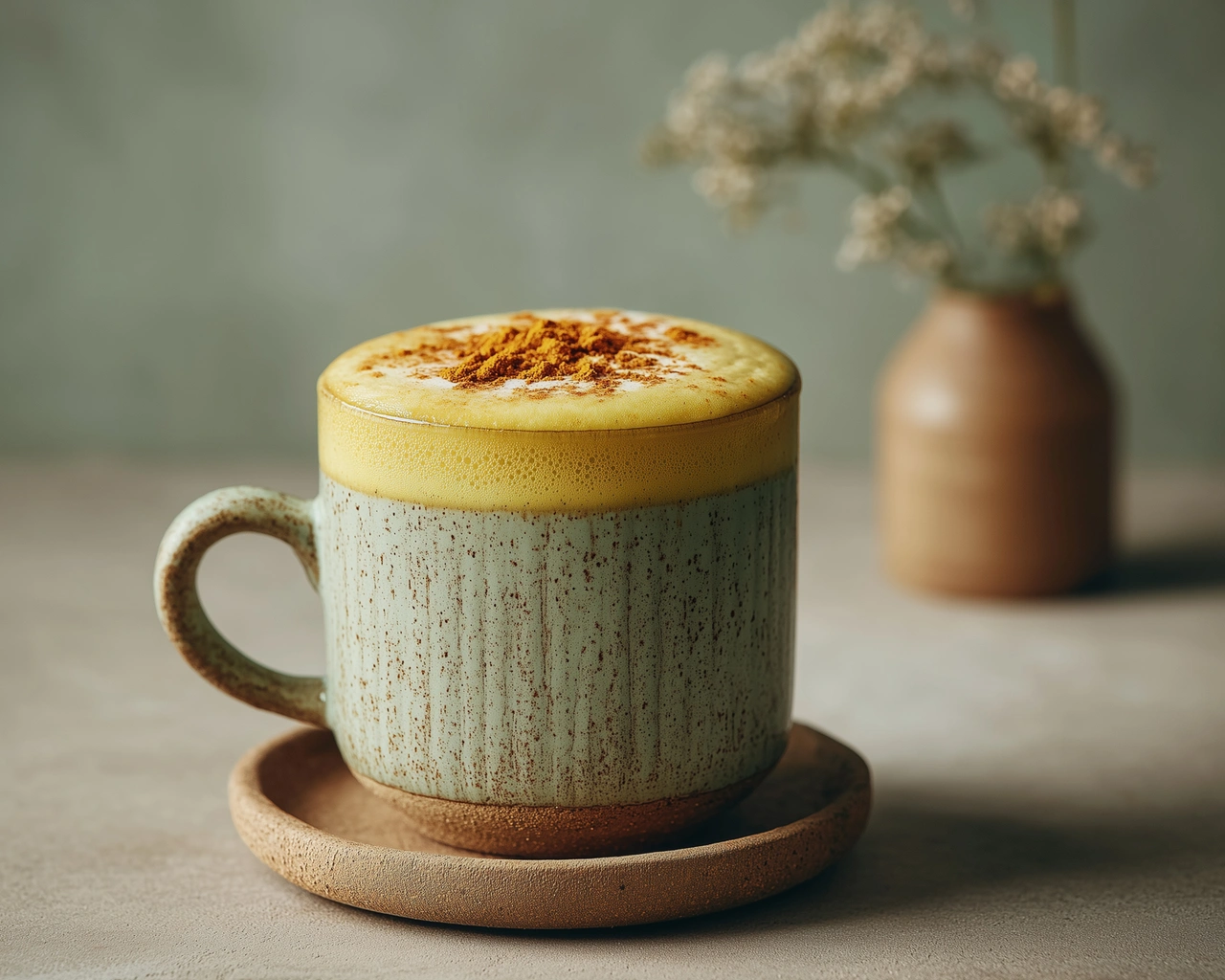
What is reliably supported: curcumin is fat-soluble. Consuming it with dietary fat significantly increases absorption through simple lipid-mediated uptake. This is straightforward pharmacology — fat-soluble compounds dissolve into dietary lipids, which are absorbed via chylomicrons in the small intestine.
Practical application: Cook turmeric in extra-virgin olive oil, add it to coconut milk–based curries, or blend it into a smoothie with avocado or full-fat yoghurt. Black pepper won't hurt, but fat is the reliable mechanism.
2. Vitamin C + plant-based iron
Non-haem iron (from plants) exists in a ferric state (Fe³⁺) that the body absorbs poorly. Vitamin C acts as a reducing agent, converting it to the ferrous form (Fe²⁺) that intestinal cells can actually transport.
The classic research by Hallberg and colleagues demonstrated up to a 6-fold increase in non-haem iron absorption when consumed with vitamin C. A 2025 randomised controlled trial confirmed these findings, showing the effect is dose-dependent and most pronounced when both nutrients are consumed in the same meal.
This pairing is particularly important for anti-inflammatory diets because iron deficiency itself promotes inflammation through hypoxia-inducible factor (HIF) pathways.
Practical application: Squeeze lemon over spinach, serve red pepper strips alongside lentil soup, or pair strawberries with fortified cereals.
3. Cooked tomatoes + olive oil
Lycopene — the carotenoid that gives tomatoes their red colour — is one of the most potent dietary antioxidants. But raw tomatoes deliver relatively little of it. Heat breaks down cell walls and converts trans-lycopene to the more bioavailable cis form.
The foundational research by Gartner, Stahl, and Sies (American Journal of Clinical Nutrition) showed that tomato paste provides 2.5 times more bioavailable lycopene than fresh tomatoes. A subsequent study by Fielding and colleagues (2005) demonstrated an additional 82% increase in lycopene absorption when consumed with olive oil versus without fat.
The combination delivers a double benefit: lycopene is anti-inflammatory on its own, and olive oil provides oleocanthal — a phenolic compound with ibuprofen-like COX-2 inhibition.
Practical application: Make tomato sauces in olive oil (the Italian grandmother was right). Roast cherry tomatoes drizzled in extra-virgin olive oil. Add sun-dried tomatoes to salads dressed with olive oil.
4. Green tea + citrus
Green tea catechins — particularly epigallocatechin gallate (EGCG) — are powerful anti-inflammatory compounds, but they're notoriously unstable in the alkaline environment of the intestines. Under normal conditions, fewer than 20% of catechins survive digestion.
Research by Green and Ferruzzi at Purdue University (Molecular Nutrition & Food Research, 2007) showed that adding citrus juice dramatically improved catechin stability: 6 to 13 times more catechins survived in vitro digestion. In vivo studies showed EGCG absorption increased by approximately 198%, with overall catechin retention rising from under 20% to around 80%.
The mechanism is pH-dependent: ascorbic acid maintains the acidic environment catechins need to remain stable as they pass through the digestive tract.
Practical application: Add a squeeze of lemon or lime to green tea. Let the tea cool slightly first — very hot water can degrade vitamin C. Cold-brew green tea with citrus slices is particularly effective.
5. Omega-3-rich fish + colourful vegetables
Omega-3 fatty acids (EPA and DHA) are anti-inflammatory through well-established prostaglandin pathways. But their interaction with plant polyphenols creates a bidirectional synergy that neither achieves alone.
The mechanism centres on the Nrf2/ARE (Nuclear factor erythroid 2-related factor 2 / Antioxidant Response Element) pathway — a master regulator of antioxidant gene expression. Omega-3s activate Nrf2, while plant polyphenols from colourful vegetables enhance and sustain this activation. A 2024 study in Nutrients confirmed that the combined intake produced greater reductions in inflammatory markers than either component alone.
Practical application: Serve salmon or sardines alongside roasted red peppers, purple cabbage, or sweet potato. Build poke bowls with raw fish and a rainbow of vegetables. Pair mackerel with a beetroot and leafy green salad.
6. Quercetin-rich foods + dietary fat
Quercetin — found abundantly in onions, apples, berries, and capers — is one of the most common dietary flavonoids and a potent inhibitor of NF-κB, a central inflammatory signalling pathway. However, quercetin has poor baseline bioavailability due to limited intestinal absorption and rapid metabolism.
A 2025 meta-analysis of clinical trials showed that consuming quercetin-rich foods with dietary fat increased bioavailability by approximately 2-fold. As with curcumin, the mechanism is lipid-mediated: quercetin dissolves into dietary fat, which enhances micellar incorporation and subsequent intestinal uptake.
Practical application: Sauté onions in olive oil rather than steaming them. Eat apple slices with almond butter. Add berries to full-fat yoghurt or dress a caper-rich salad with generous olive oil.
Building your anti-inflammatory plate
Rather than memorising individual pairings, use this formula: omega-3 protein + cooked colourful vegetables + healthy fat + allium or spice + something acidic.
Three examples that hit every pairing above:
- Salmon with roasted Mediterranean vegetables: Salmon (omega-3), tomatoes and peppers roasted in olive oil (lycopene + fat), garlic and onion (quercetin + allium), lemon squeeze (vitamin C + acidity).
- Golden turmeric lentil soup: Red lentils (plant iron), turmeric cooked in coconut oil (curcumin + fat), spinach stirred in at the end (iron + vitamin C from a lemon squeeze), topped with sautéed onions (quercetin + fat).
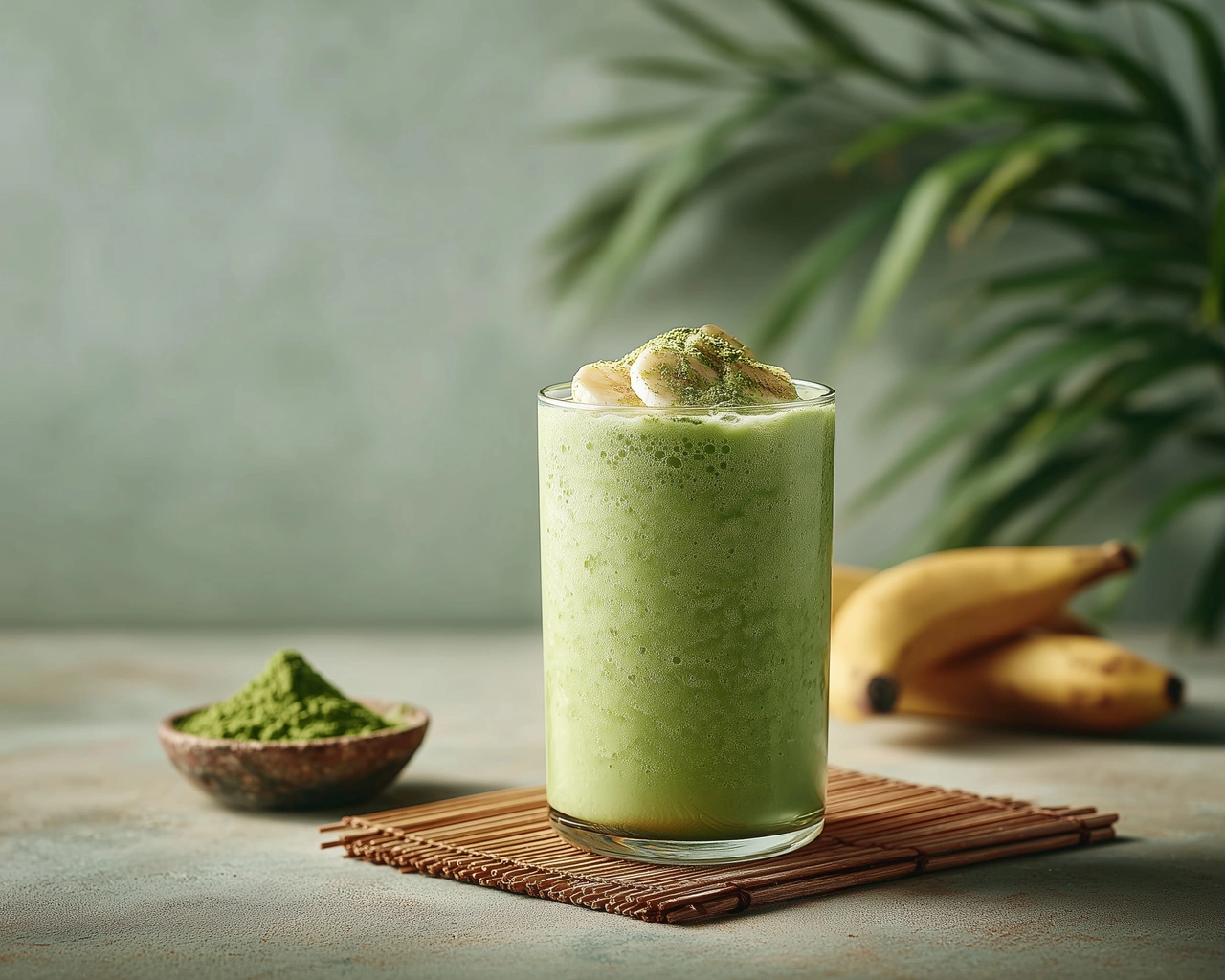
- Green tea berry bowl: Green tea panna cotta or matcha base (catechins), lemon zest (citrus for stability), mixed berries (quercetin), topped with walnuts (omega-3) and drizzled with honey.
The beauty of these combinations is that they don't require exotic ingredients or complicated techniques. Most traditional cuisines discovered these pairings empirically centuries ago — we're just now understanding the biochemistry behind why they work.
Sources:
- Kroon PA et al. Curcumin Bioavailability Reappraisal. iScience 2025.
- Hallberg L et al. Iron Absorption and Vitamin C. Int J Vitam Nutr Res 1989.
- Gartner C, Stahl W, Sies H. Lycopene Bioavailability. Am J Clin Nutr.
- Green RJ, Ferruzzi MG. Catechin Stability with Citrus. Mol Nutr Food Res 2007.
- Anti-Inflammatory Dietary Patterns: 2025 Umbrella Review. Nutrition Reviews 2025.
Ready to transform your meal planning?
Join families saving time and eating healthier with MealMint's AI-powered meal planning platform.