


The Mediterranean-fasting connection: what a landmark cardiology review actually found
MealMint Team
Nutrition & Health
In September 2020, a review article in the Journal of the American College of Cardiology proposed something that made international headlines: a pesco-Mediterranean diet combined with 12–16 hours of daily fasting might be "ideal for cardiovascular health." The paper, led by cardiologist James O'Keefe and colleagues (JACC 2020; 76(12):1484–1493), synthesised decades of evidence into a single practical framework.
But headlines simplify. Let's look at what the evidence actually supports — and where the nuance matters.
What the PREDIMED trial proved (and what it didn't)
The foundation of the Mediterranean diet's cardiovascular credentials is the PREDIMED trial — one of the largest dietary intervention studies ever conducted. Originally published in the New England Journal of Medicine in 2013, then retracted and republished in 2018 after correcting randomisation issues (PMID: 29897866), it followed 7,447 adults at high cardiovascular risk for nearly 5 years.
The headline finding: a Mediterranean diet supplemented with extra-virgin olive oil or mixed nuts reduced the composite endpoint of heart attack, stroke, and cardiovascular death by approximately 30% (HR 0.70, 95% CI 0.55–0.89 for the olive oil group).
The important nuance: this reduction was driven primarily by stroke prevention. When researchers looked at heart attacks and cardiovascular mortality alone, the results did not reach statistical significance. That doesn't mean the diet doesn't help — it means the evidence is strongest for stroke prevention specifically.
PREDIMED-Plus: what the latest data shows
PREDIMED-Plus built on the original trial by adding caloric restriction and physical activity promotion to the Mediterranean diet. The results have been encouraging but more modest than sometimes reported.
At 1 year, participants following the intensive Mediterranean diet intervention lost an average of 3.2 kg compared to 0.7 kg in the control group. About 33.7% achieved clinically meaningful weight loss of 5% or more, versus 11.9% of controls (Diabetes Care, 2019).
A major milestone came in August 2025, when the 6-year follow-up published in the Annals of Internal Medicine showed a 31% reduction in type 2 diabetes risk — a significant finding given that diabetes is one of the strongest risk factors for heart disease. Hard cardiovascular endpoints from the longer follow-up are still pending.
Why combining Mediterranean eating with time-restricted eating makes biological sense
The O'Keefe review argued that the combination is greater than the sum of its parts. The biological reasoning is compelling:
The Mediterranean pattern provides omega-3 fatty acids (from fish and nuts), polyphenols (from olive oil, red wine, and vegetables), high fibre, and anti-inflammatory compounds. These work through multiple pathways — reducing oxidative stress, improving endothelial function, and modulating the gut microbiome.
Time-restricted eating (typically 12–16 hours of fasting) aligns food intake with circadian rhythms, which appears to improve insulin sensitivity, reduce blood pressure, and activate cellular repair processes like autophagy. The overlapping molecular pathways — AMPK activation and mTOR suppression — suggest genuine synergy.
A 2025 randomised controlled trial in older adults found that combining a Mediterranean diet with moderate time-restricted eating produced meaningful reductions in BMI, waist circumference, and blood pressure compared to the diet alone.
The important caveats
Not all the evidence points in one direction, and intellectual honesty demands we look at the complications:
The ChronoFast study (Science Translational Medicine, December 2025) was a rigorous crossover trial that found time-restricted eating alone — when total caloric intake was held equal — did not improve cardiometabolic markers. This suggests that caloric reduction, not the fasting window itself, may drive many of the reported benefits.
The Zhong study (presented at AHA 2024) found an association between very short eating windows (under 8 hours) and higher cardiovascular death risk. While the methodology has been widely criticised — it relied on two 24-hour dietary recalls, which are notoriously unreliable for capturing habitual eating patterns — it does urge caution about extreme protocols.
A 12-hour overnight fast is not the same as strict 16:8. The evidence base is strongest for moderate overnight fasting (roughly 12–14 hours), which most people can achieve simply by not eating after dinner and before breakfast. The benefits of more aggressive protocols remain uncertain.
A practical daily framework
Based on the current evidence, here is a reasonable approach — a 10-hour eating window centred on a Mediterranean pattern:
- First meal (9–10 AM): Greek yoghurt with walnuts, berries, and a drizzle of honey. Green tea or black coffee.
- Lunch (1 PM): Large salad with mixed greens, chickpeas, tomatoes, cucumber, feta, olives, dressed with extra-virgin olive oil and lemon.
- Afternoon snack (4 PM): A handful of almonds and an apple, or hummus with raw vegetables.
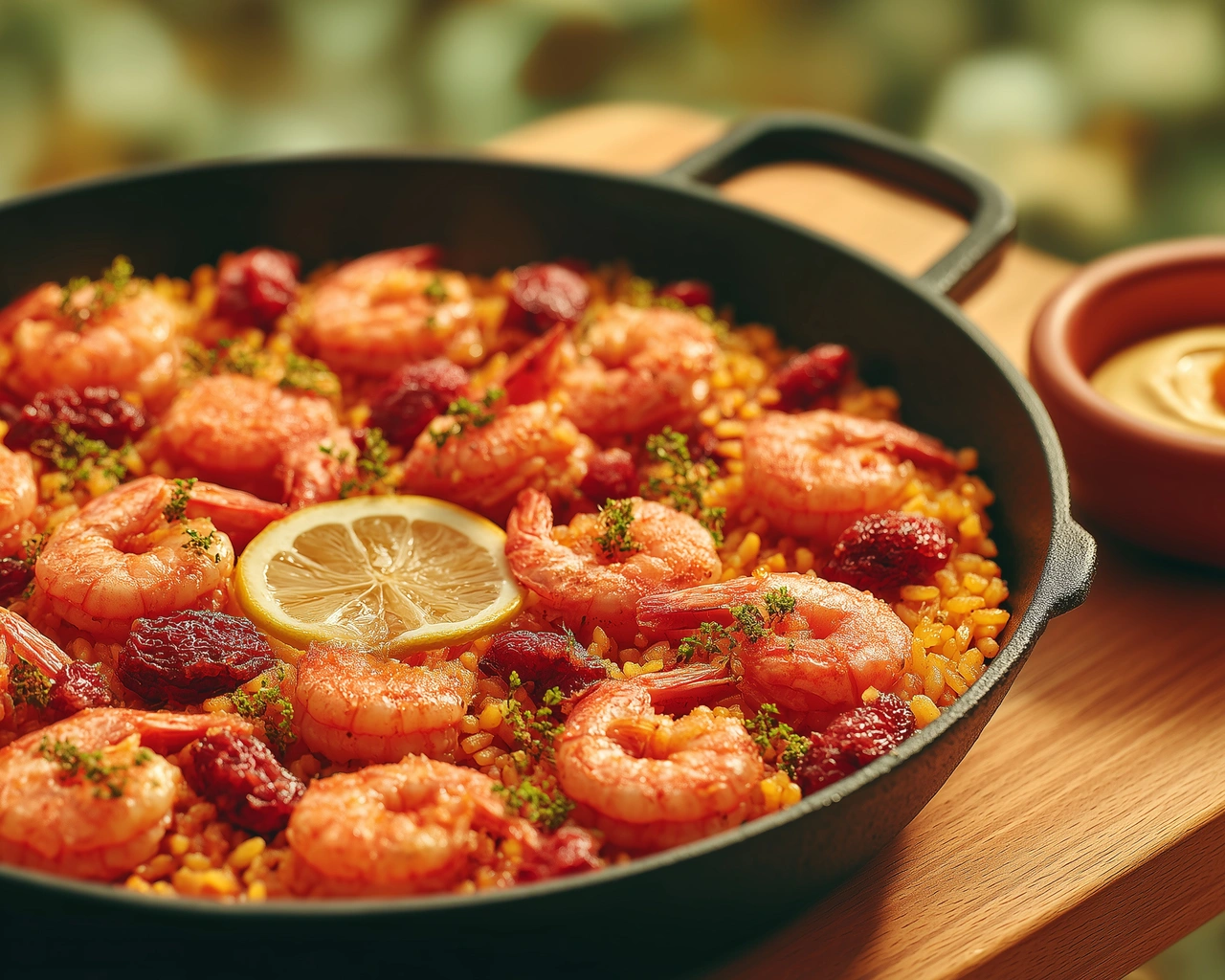
- Dinner (6:30–7 PM): Grilled fish or seafood (2+ times per week), roasted vegetables, whole grain, generous olive oil.
Daily targets: 4+ tablespoons extra-virgin olive oil, 3+ servings vegetables, 2+ servings fruit, 2+ fish meals per week, 1 oz (28g) nuts daily.
The bottom line
A 2025 umbrella review of meta-analyses found that a Mediterranean dietary pattern is associated with a 10–67% reduction in fatal cardiovascular disease risk — the widest and most consistent evidence base of any dietary pattern studied.
Adding a moderate overnight fast of 12 or more hours is a reasonable, low-risk addition that aligns with circadian biology. But the diet itself is doing the heavy lifting. Don't overthink the fasting window — and be cautious about protocols that restrict eating to fewer than 8 hours, where the evidence is mixed at best.
The O'Keefe review was a review article — a synthesis of existing evidence by respected cardiologists, not a clinical trial and not a formal American College of Cardiology guideline or endorsement. It's valuable as a framework, but it should be understood for what it is: an expert opinion grounded in solid but still evolving science.
Sources:
- O'Keefe JH et al. A Pesco-Mediterranean Diet With Intermittent Fasting. JACC 2020; 76(12):1484–1493. doi:10.1016/j.jacc.2020.07.049
- Estruch R et al. Primary Prevention of Cardiovascular Disease with a Mediterranean Diet Supplemented with Extra-Virgin Olive Oil or Nuts. NEJM 2018. doi:10.1056/NEJMoa1800389
- PREDIMED-Plus Investigators. Diabetes Care 2019; Effect of Mediterranean Diet on Type 2 Diabetes. Annals of Internal Medicine Aug 2025.
Ready to transform your meal planning?
Join families saving time and eating healthier with MealMint's AI-powered meal planning platform.